How an Exterminator in Port Charlotte Can Defend Your House from Rodents
Wiki Article
Uncover the Relevance of Parasite Control in Maintaining a Healthy And Balanced Atmosphere and Treatment Strategies
The Role of Pests in Ecological Communities
Bugs, commonly checked out entirely as hassles, play a diverse role in ecological communities that is vital for keeping ecological equilibrium. They add considerably to numerous ecological processes, consisting of pollination, nutrient cycling, and parasite control. Many insect species, such as butterflies and , are crucial pollinators for a broad variety of plants, which in turn sustains biodiversity and food manufacturing.Additionally, insects act as target for numerous predators, producing an important web link in food internet. This interdependence makes sure the survival of numerous varieties and aids control populaces within communities (Termite treatment Port Charlotte). In addition, decomposer pests, such as certain beetles and fungi, contribute in damaging down raw material, hence improving dirt and facilitating nutrient recycling.
Alternatively, while parasites can be advantageous, their overpopulation or invasion into non-native atmospheres may interrupt these environmental functions. This intricacy emphasizes the relevance of recognizing parasite characteristics, as efficient insect management techniques must consider both their eco-friendly functions and prospective influence on human tasks. Stabilizing pest visibility while decreasing damage is vital for preserving the honesty of ecological communities and making sure agricultural productivity.
Wellness Dangers Associated With Parasites
The existence of insects in numerous settings extends past their eco-friendly roles, as they additionally present considerable health threats to human beings and animals. Numerous pests, consisting of parasites, pests, and rats, are providers of conditions that can have major wellness effects. For circumstances, rodents are understood to transmit hantavirus and leptospirosis, both of which can bring about serious respiratory system and renal problems, specifically.Bugs such as insects and ticks are infamous for spreading out vector-borne conditions like jungle fever, dengue fever, and Lyme illness. These ailments can result in high morbidity and mortality rates, especially in at risk populations. In addition, pests like cockroaches and insects can aggravate allergies and asthma, contributing to breathing issues in people, specifically those with pre-existing problems.
In addition, the presence of pests can result in psychological stress and anxiety and pain, influencing total well-being. Contamination of food and surfaces by pest droppings and remains can lead to foodborne diseases, highlighting the significance of preserving sanitary conditions. Recognizing the health and wellness dangers associated with pests is crucial in recognizing the need of efficient insect management strategies to guard animal and human health and wellness.
Advantages of Effective Insect Control
Efficient insect control is important for maintaining a safe and healthy and balanced setting, as it regularly mitigates the countless dangers associated with pest problems. One of the primary advantages of efficient bug management is the decrease of health and wellness hazards.In addition, effective parasite control safeguards building and structures from damages. Numerous pests, like termites and woodworker site web ants, can cause considerable structural damages that may call for costly fixings. By proactively managing these invasions, organizations and house owners can shield their investments.
An additional substantial advantage is the enhancement of general high quality of life. A pest-free setting adds to mental wellness and minimizes stress and anxiety connected with invasions. Efficient bug control promotes a much safer atmosphere for family pets and youngsters, making certain that homes continue to be refuges cost-free from unsafe chemicals and disease-causing microorganisms.
Usual Bug Control Methods
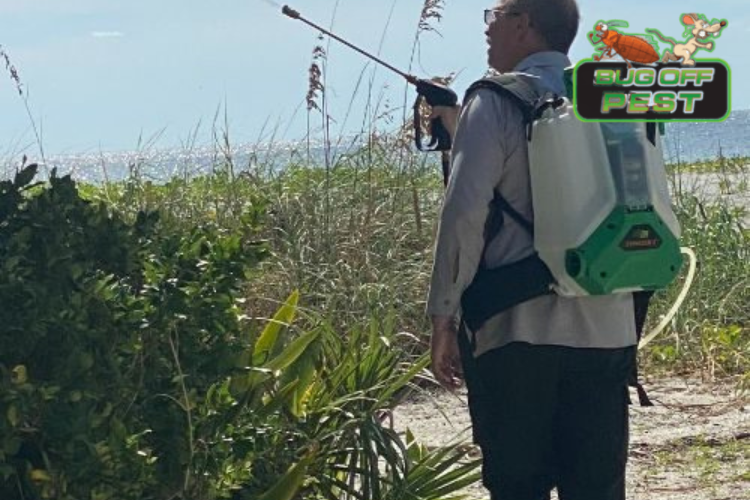
In the world of bug management, numerous methods are employed to deal with infestations properly. These methods can be broadly classified into 3 main strategies: cultural, mechanical, and chemical controls.
Social control includes changing methods to reduce bug recreation, survival, and establishment. This may include plant rotation, appropriate sanitation, and habitat adjustment, which collectively produce an environment less helpful to pest proliferation.
Mechanical control uses physical approaches to eliminate insects (Termite treatment Port Charlotte). Methods such as discover this catches, obstacles, and vacuum cleaners are generally made use of to straight get rid of pests from an area. This approach is particularly effective for handling rodents and insects without making use of damaging chemicals
Chemical control includes the application of pesticides to handle insects. These substances can be categorized into herbicides, fungicides, and pesticides, each targeting particular types of insects. It is essential to use these chemicals judiciously, sticking to safety and security standards and policies to reduce potential injury to non-target varieties and the atmosphere.
Each insect control technique has its benefits and constraints, and often, an incorporated technique integrating multiple approaches produces the most effective outcomes in preserving a pest-free environment.
Lasting Bug Management Practices
Lasting bug management techniques include a variety of approaches created to reduce environmental impact while successfully controlling parasite populations. These practices focus on making use of eco friendly techniques over chemical pesticides, thus lowering the danger of injury to non-target species, consisting of useful insects, wildlife, and human beings.Integrated Insect Monitoring (IPM) is a foundation of lasting practices, integrating organic, cultural, mechanical, and chemical methods to manage bugs. Biological control includes presenting all-natural predators or bloodsuckers to subdue pest populations. Social practices, such as crop rotation and polyculture, interfere with pest life process and enhance environment strength.
Mechanical methods, such as obstacles or catches, can effectively avoid insect accessibility without chemical treatment. Additionally, maintaining healthy ecological communities through proper soil administration, plant health and wellness, and biodiversity can normally minimize parasite issues.
Education and awareness are important elements, equipping people and neighborhoods to acknowledge bug hazards early and apply preventative actions. Termite treatment Port Charlotte. By cultivating an all natural strategy that stabilizes parasite control with eco-friendly honesty, lasting bug monitoring methods not only safeguard structures and crops yet additionally add to a healthier atmosphere for future generations
Conclusion

Understanding the wellness dangers associated with parasites is important in recognizing the need of efficient pest monitoring methods to safeguard animal and human health and wellness.
Effective bug control is crucial for maintaining a risk-free and healthy setting, as it regularly minimizes the various threats connected with parasite invasions.Integrated Parasite Administration (IPM) is a keystone of sustainable practices, incorporating biological, cultural, mechanical, and chemical methods to manage bugs. By understanding the function of parasites, recognizing connected wellness risks, and utilizing varied treatment methods, a lasting approach to pest administration can be accomplished. Integrated Parasite Management (IPM) highlights an all natural methodology that reduces damage to valuable organisms while efficiently go now regulating parasite populations.
Report this wiki page